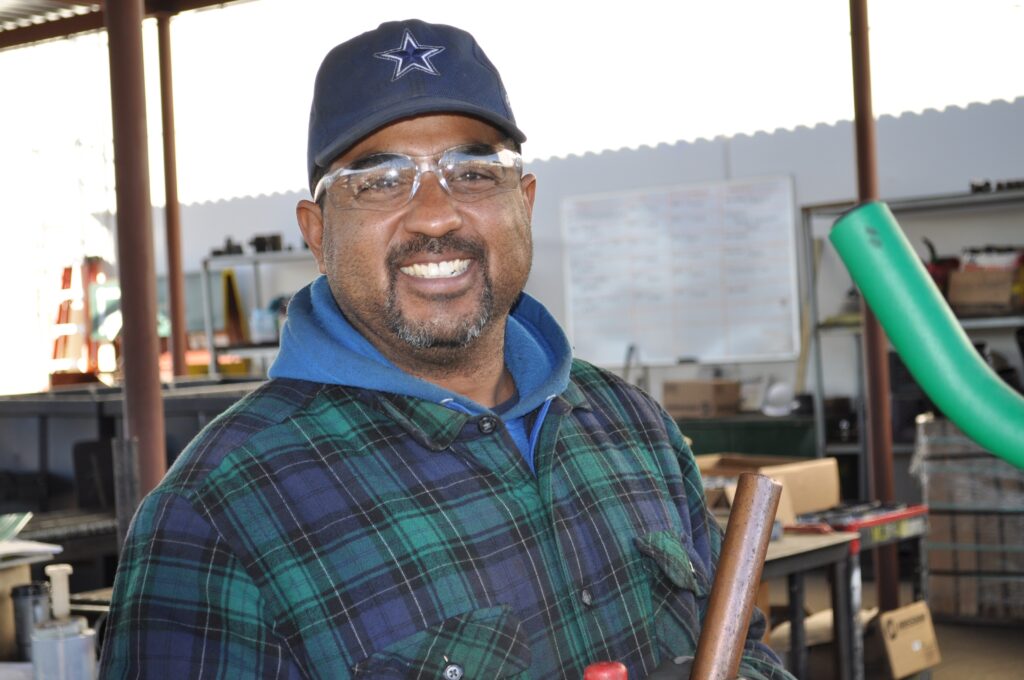
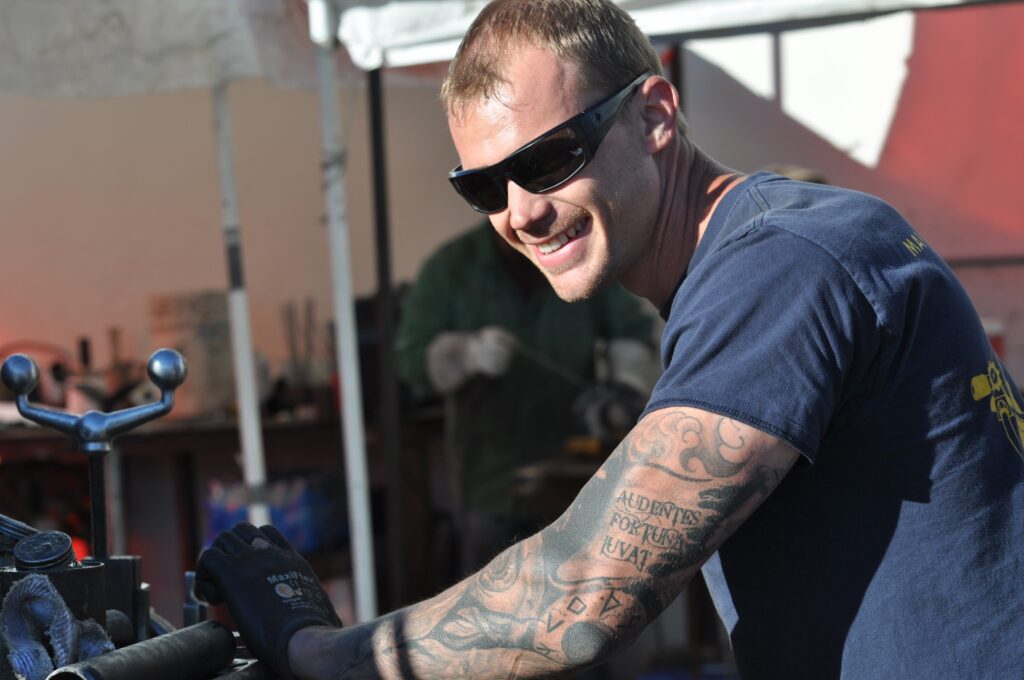
Pipefitters and plumbers specialize in assembling, installing, modifying, and repairing piping systems that transport water, steam, air, gas, and other fluids. Their work includes laying out and maintaining pipe networks and supports, as well as installing hydraulic and pneumatic systems used in heating, cooling, lubrication, fire suppression, and a variety of industrial processes. These skilled tradespeople play a vital role in both residential and commercial infrastructure.
Cut, thread, and shape pipes to precise specifications using specialized tools such as saws, pipe threaders, cutting torches, or pipe benders.
Interpret and lay out piping systems by creating full-scale drawings or following blueprints and technical diagrams.
Assemble and install piping components—including tubes, fittings, and valves—using methods such as welding, brazing, soldering, cementing, or threading to ensure secure connections.
Measure and mark piping materials accurately for cutting, bending, or threading to meet installation requirements.
Test and inspect systems to ensure functionality and safety, using pressure gauges, hydrostatic tests, or visual inspections to detect leaks or system faults.
EDUCATION & TRAINING REQUIRED
Becoming a plumber or pipefitter through a union apprenticeship program offers a structured, debt-free pathway into a high-demand career.
Minimum Requirements:
High school diploma or GED (or in some cases, be on track to graduate)
Basic math, reading, and communication skills
Valid driver’s license (required by most programs)
Pass an aptitude test and interview process
Union apprenticeship programs are tuition-free and offer healthcare, retirement benefits, and a direct path to long-term career advancement.
LETS GET STARTED
Take the First Step Toward a Skilled Trades Career